The Future of Retail: Exactly How D2C Ecommerce Services Can Transform Your Company
The retail landscape is developing, driven by the increase of direct-to-consumer (D2C) ecommerce solutions. Brand names are significantly seeking ways to attach with customers on an individual level while streamlining their operations. This shift not just boosts revenue margins yet also changes the buying experience markedly. As services adjust to these adjustments, the implications for brand name loyalty and consumer engagement come to be important. What strategies will specify success in this brand-new period?
Comprehending the D2C Ecommerce Model
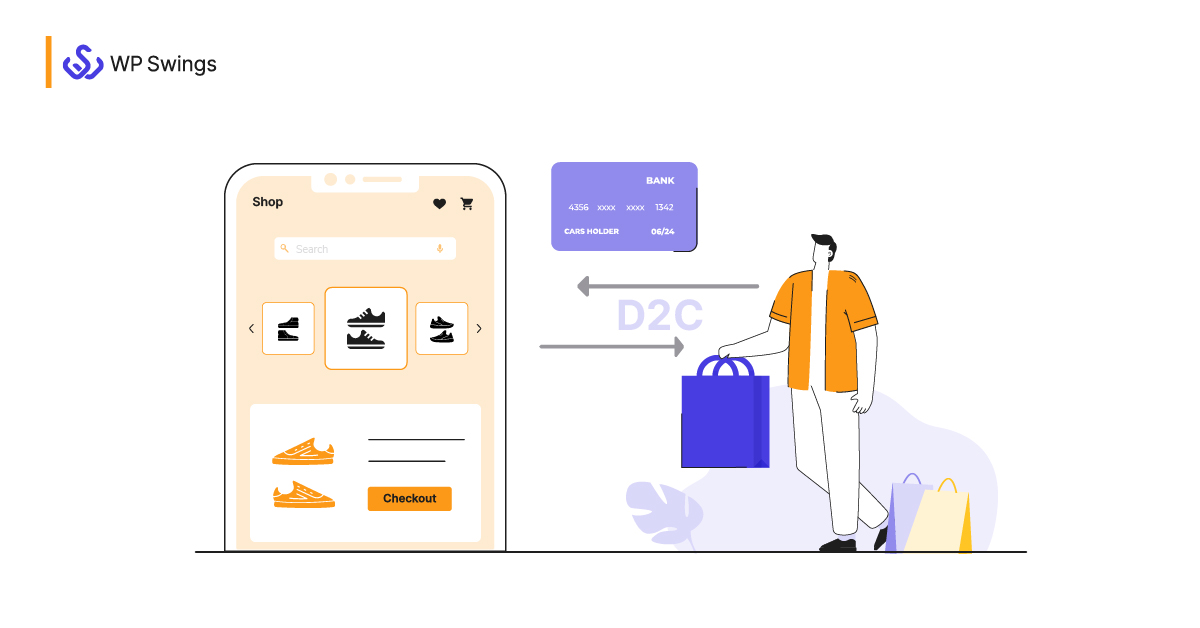
As customers increasingly look for customized buying experiences, the Direct-to-Consumer (D2C) ecommerce design has emerged as a transformative strategy in retail. This model enables brand names to market straight to their consumers, bypassing standard intermediaries like dealers and retailers. By developing a straight connection with customers, business can acquire deeper understandings into client preferences and behaviors.D2C ecommerce leverages electronic systems, enabling brand names to control their distribution, advertising, and pricing processes. This method cultivates agility, allowing companies to adjust quickly to market fads and consumer comments. Notably, D2C designs commonly utilize data analytics to boost item offerings and client engagement strategies.In an increasingly competitive landscape, the D2C design equips companies to grow brand commitment and develop customized experiences that resonate with their target market. By doing this, comprehending the intricacies of D2C ecommerce is essential for brands aiming to thrive in the modern retail setting.
Benefits of Direct-to-Consumer Approaches
While lots of businesses come to grips with the intricacies of standard retail, the Direct-to-Consumer (D2C) method offers distinctive benefits that can considerably enhance brand efficiency. By reducing out middlemans, brand names maintain better control over their prices, item discussion, and general consumer experience. This direct connection fosters brand name commitment, as consumers really feel extra connected to the brand and its values.Additionally, D2C strategies frequently result in higher profit margins, because organizations can keep the entire list price instead of sharing it with stores or suppliers. D2C models additionally enable brands to respond rapidly to market trends and consumer preferences, facilitating more agile supply administration and item development. Moreover, services can develop customized advertising campaigns that reverberate with their audience, inevitably driving greater conversion rates. In this progressing retail landscape, D2C techniques offer a possibility for brand names to differentiate themselves and achieve lasting development.
Leveraging Data Analytics for Customer Insights
Recognizing Consumer Behavior Patterns
How can companies successfully decode the complexities of customer habits in a rapidly progressing electronic landscape? By harnessing information analytics, companies can gain valuable understandings right into their clients' inspirations, practices, and preferences. Assessing searching patterns, acquisition history, and responses permits brands to identify fads and sector their audience properly. This understanding not just improves product offerings however also customizes marketing strategies, cultivating stronger consumer partnerships. In addition, organizations can keep an eye on social media sites communications and on the internet reviews to evaluate sentiment and adapt to transforming consumer expectations. In this means, data-driven techniques equip brands to prepare for demands and fine-tune their methods, ultimately bring about enhanced customer satisfaction and commitment in the competitive D2C ecommerce setting.
Anticipating Analytics for Fads
As companies venture to stay affordable in the D2C ecommerce landscape, leveraging predictive analytics comes to be essential for determining arising fads and consumer preferences. By evaluating historic data, firms can forecast future purchasing actions, enabling them to tailor their offerings successfully. Predictive analytics allows retailers to section their target market based on buying patterns, making sure targeted marketing strategies that reverberate with distinct consumer groups. Furthermore, these understandings assist in stock administration, lowering overstock and decreasing stockouts. As brand-new fads emerge, services can quickly adapt their product, improving consumer contentment and commitment. Inevitably, the integration of predictive analytics empowers D2C brand names to make data-driven decisions, fostering advancement and development in a progressively dynamic market.
Enhancing Consumer Interaction With Personalization
While numerous brand names recognize the importance of customer involvement, personalization becomes an essential method to promote deeper links with consumers (D2C Ecommerce Agency). By leveraging information analytics, brands can customize experiences to specific preferences, producing an extra pertinent shopping trip. Tailored suggestions, targeted promos, and tailored web content greatly improve the consumer experience, making consumers feel valued and understood.Moreover, employing various communication channels enables brand names to engage clients in manner ins which reverberate with them. Personalized emails, social media interactions, and tailored web site experiences can drive commitment and repeat acquisitions. This approach not only increases client contentment yet likewise urges brand advocacy, as satisfied customers are more probable to share their favorable experiences with others.Ultimately, customization is not just a fad however a basic element of successful D2C ecommerce strategies, enabling brand names to develop long lasting connections and elevate their market visibility
Simplifying Supply Chain and Operations
.jpg?width=1200&height=800&name=thumbnail-1200x800%20(1).jpg)
Building Brand Name Commitment in an Affordable Market
Individualized Purchasing Experience
The modern customer landscape is characterized by a frustrating choice of items and brands, making it vital for businesses to separate themselves through customized purchasing experiences. By leveraging data analytics and consumer understandings, brands can tailor their offerings to individual choices, therefore enhancing customer satisfaction. Tailored suggestions, targeted promotions, and personalized interaction can foster a feeling of connection, making customers really feel valued. This approach not only increases immediate sales yet likewise grows long-lasting brand commitment. Additionally, D2C ecommerce services allow brands to collect real-time responses and adapt their strategies as necessary, guaranteeing importance in a vibrant market. Inevitably, a tailored shopping experience can transform laid-back buyers into committed supporters, strengthening a brand's setting in an affordable landscape.
Engaging Brand Narration
Compelling brand narration works as a powerful tool for organizations striving to build loyalty in a competitive market. By weaving narratives that resonate with consumers, brand names my response can produce emotional links that prolong past transactions. Engaging tales highlight a brand name's values, objective, and distinct marketing suggestions, permitting consumers to understand the brand on an individual level. D2C Ecommerce Agency. This link cultivates trust and encourages repeat acquisitions, as clients really feel aligned with a brand name's principles. In addition, efficient narration can distinguish a brand name from its rivals, making it much more memorable in a jampacked marketplace. As customers significantly look for credibility and definition in their selections, brands that buy engaging narration are likely to cultivate long-term partnerships and boost consumer commitment
Future Patterns in D2C Ecommerce Provider
As customer preferences develop, D2C ecommerce services are poised to undertake substantial improvements in the coming years. Improved personalization will emerge as a vital pattern, with brands leveraging AI and data analytics to customize purchasing experiences to specific customers. Additionally, sustainability will certainly come to be a prime focus, as consumers increasingly seek environmentally friendly items and clear supply chains, triggering brand names to adopt greener practices.Omnichannel techniques will certainly additionally acquire traction, integrating online systems with physical touchpoints to develop smooth consumer trips. Mobile business will remain to broaden, driven by advancements in modern technology and transforming purchasing habits, making it crucial for brands to maximize their mobile interfaces. Social commerce is set to rise, with platforms helping with straight acquisitions with social media, boosting brand interaction. Ultimately, these fads symbolize a shift toward extra nimble, consumer-centric approaches in D2C ecommerce, making it possible for brands to remain affordable in a swiftly altering landscape.
Often Asked Inquiries
What First Investments Are Needed for Beginning a D2C Ecommerce Service?
Beginning a D2C ecommerce business calls for initial investments in website advancement, inventory, electronic advertising and marketing, and logistics. Additionally, funds for branding, client solution, and payment processing systems are crucial to establish a successful on-line visibility.
How Can Little Companies Compete With Established D2C Brands?
Small companies can compete with well-known D2C brand names by concentrating on particular niche markets, leveraging personalized consumer experiences, using social media sites for involvement, and carrying out agile methods that adapt to consumer feedback and market patterns.
What Prevail Challenges Encountered by D2C Ecommerce Startups?
Typical obstacles faced by D2C ecommerce start-ups consist of minimal brand name acknowledgment, high customer procurement expenses, supply chain administration concerns, competitors from developed players, and the demand for effective digital marketing approaches to drive website traffic and conversions. - D2C Ecommerce Agency
Exactly how Do Returns and Reimbursements Job in D2C Ecommerce?
In D2C ecommerce, returns and reimbursements commonly include customers initiating the process through the site. Policies differ by firm, but many offer clear directions, timeframes, and problems for returning items, making certain consumer fulfillment and commitment.
Exist Lawful Considerations for D2C Ecommerce Organizations?
Legal considerations for D2C ecommerce services consist of compliance with consumer security regulations, data privacy regulations, and intellectual home legal rights. Companies have to additionally attend to taxes and delivery policies to assure authorized procedures in their corresponding markets. Importantly, D2C models often utilize data analytics to boost product offerings and consumer involvement strategies.In a significantly affordable landscape, the D2C model empowers companies to grow brand name commitment and create customized experiences that resonate with their target audience. While several businesses grapple with the complexities of typical retail, the Direct-to-Consumer (D2C) strategy supplies distinct advantages that can significantly enhance brand name efficiency. D2C designs additionally permit brands to respond swiftly to market patterns and consumer choices, promoting more nimble supply administration visit our website and item advancement. Furthermore, D2C ecommerce services make it possible for brand names to collect real-time responses and adjust their techniques as necessary, making sure importance in a vibrant market. Involving tales highlight a brand's values, try this site mission, and distinct selling propositions, permitting customers to determine with the brand on an individual degree.
Comments on “The Role of a D2C Ecommerce Agency in Crafting Your Brand Story”